
Back to Car Repair and Maintenance Service
Check Engine Light Diagnosis in Ocala, FL: Read the Real Fault Behind the Light
The check engine light came on. You scanned it at a parts store and got a code. The code pointed to a sensor. You replaced the sensor. The light came back. That's one of the most common stories we hear, because a fault code tells you which system flagged a problem — not what caused the flag. The Dub Shop diagnoses the actual cause of check engine lights on European vehicles in Ocala. Call (352) 817-8207.
- 🚗 Volkswagen & Audi Specialists
- 🔧 TDI Diesel Experts
- 🏠 Locally Owned & Operated
When You Need Check Engine Light Diagnosis
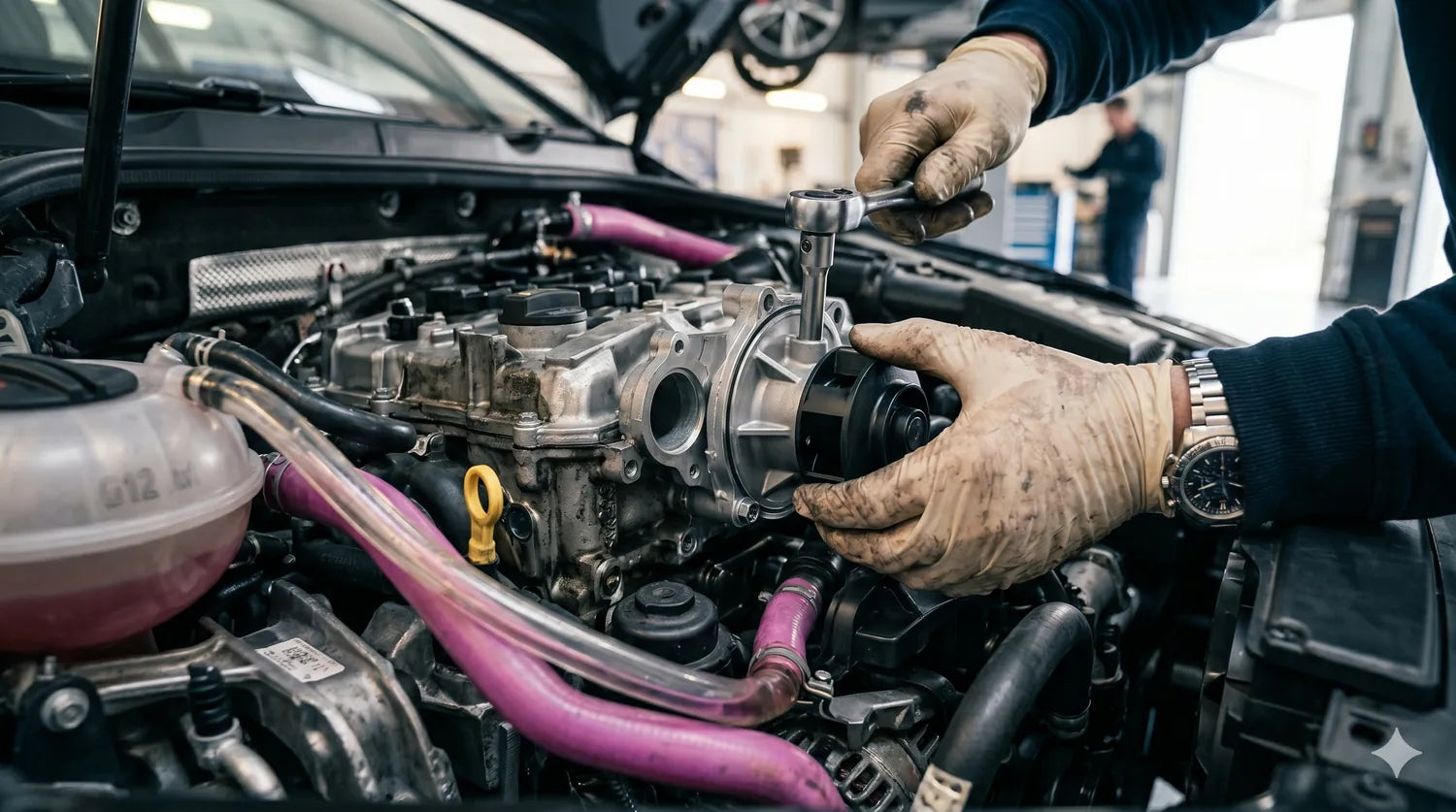
Any time the check engine light illuminates and stays on. A steady light signals a confirmed fault — the ECU doesn't trigger it after a single irregular reading, but after the problem has repeated under consistent conditions. A flashing check engine light is more urgent: it indicates an active misfire that can damage the catalytic converter if driving continues and should be addressed without delay. Stored faults can also exist without triggering any light at all, which is why a diagnostic scan is part of every service we perform regardless of whether a warning is showing.
Our Check Engine Light Diagnosis Process
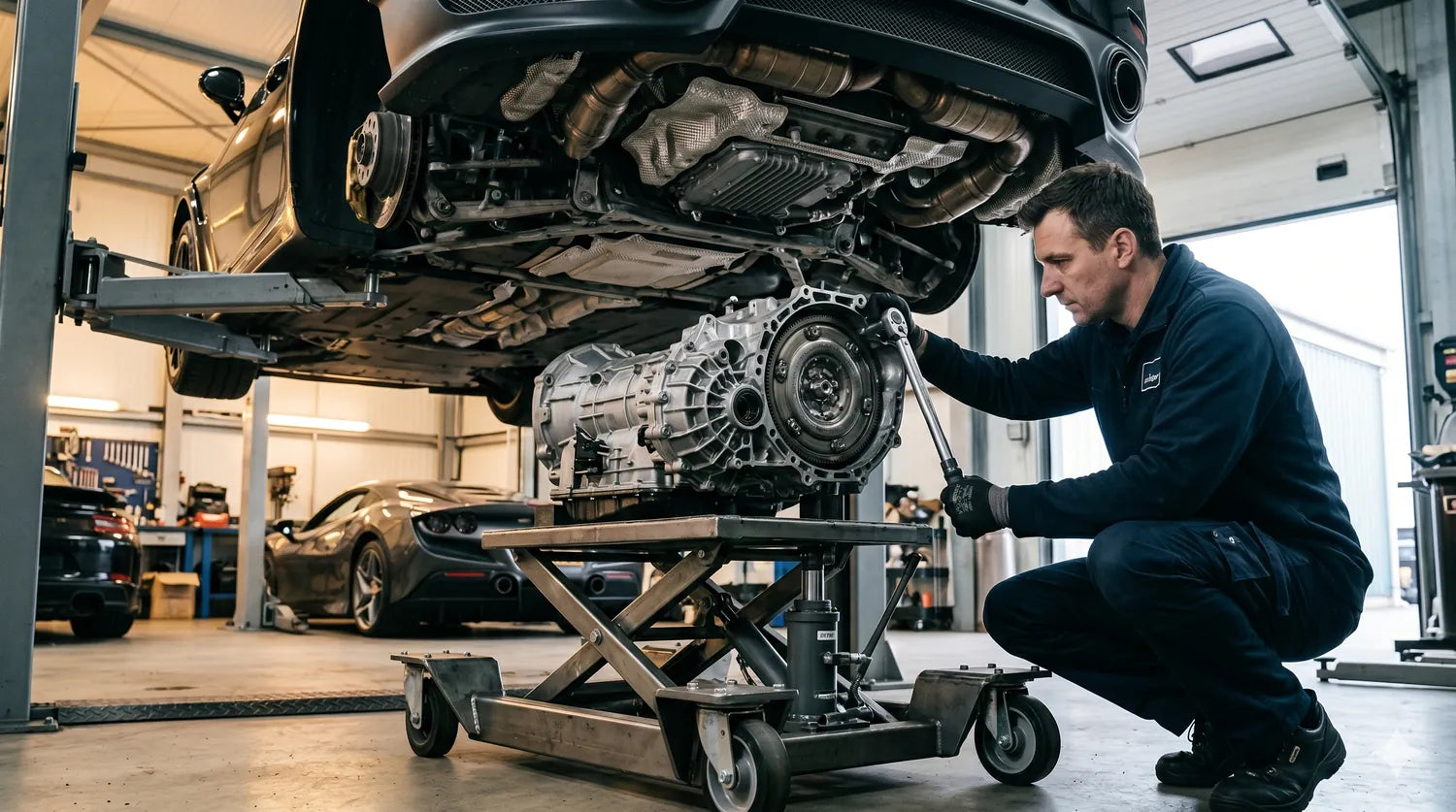
We connect our dealer-level diagnostic equipment and pull fault codes across every module: engine, transmission, ABS, airbags, and all other control units. On a VW or Audi, each stored fault comes with context — when it first occurred, how many times it's repeated, and under what driving conditions it was logged. We use that data to identify the actual cause rather than defaulting to the part the code references. A fault code pointing to an oxygen sensor doesn't necessarily mean the sensor failed. It may mean an exhaust leak, a vacuum leak, or a fuel delivery issue is making the sensor read incorrectly. We trace it to the root and explain what we found in plain terms before recommending any repair.
Check Engine Light Diagnosis Cost in Ocala
Diagnosis cost depends on the complexity of the fault and how much investigation is required beyond the initial scan. Some faults are straightforward to confirm; others need live data analysis or component testing to find the actual cause. We provide free estimates before recommending any repair. When we're already performing a repair on the vehicle, the diagnostic scan is included as part of the service.
Why Choose Us
VW, Audi, and Porsche fault codes contain more contextual data than most vehicles, and interpreting them correctly requires both the right tools and real familiarity with these platforms. With over 10 years of European vehicle experience and dealer-level diagnostic equipment, we read the full context of each fault rather than just the surface code. We've solved check engine light problems that returned after other shops replaced multiple parts without finding the actual cause. We won't recommend a repair until we know we've identified the real problem.
Frequently Asked Questions
What are the most common causes of a check engine light on a VW or Audi?
Common triggers include oxygen or MAF sensor faults, misfires from weak coil packs or worn spark plugs, EVAP system faults often from a loose or damaged gas cap, catalytic converter efficiency codes, intake vacuum leaks, and turbo boost pressure faults. On TDI diesel models, fuel system, DPF, and EGR faults are frequent. The code identifies the system — the actual cause requires investigation beyond what the code alone provides.
Should I keep driving with the check engine light on?
A steady check engine light generally allows continued short-term driving, but it should be diagnosed promptly. Some faults that appear minor can mask a developing problem that grows more expensive the longer it's ignored. A flashing check engine light is a different situation entirely — it signals an active misfire, and continued driving risks catalytic converter damage. Pull over when safe and have the car assessed rather than continuing to drive.
Why did the check engine light come back after I replaced the part the code pointed to?
Because fault codes identify which system flagged a problem, not the root cause. A code referencing an oxygen sensor might be caused by an exhaust leak, a wiring fault, or a fuel delivery issue that makes the sensor read incorrectly — the sensor itself may be fine. Replacing the referenced part without confirming the actual cause is the pattern that sends drivers back with the same light and an additional parts bill.
Is a flashing check engine light more serious than a steady one?
Yes. A flashing check engine light on a European vehicle indicates an active engine misfire severe enough that unburned fuel is entering the exhaust stream, which can damage the catalytic converter if driving continues. A steady light, while still requiring diagnosis, doesn't carry the same immediate risk. If the light is flashing, reduce speed, avoid hard acceleration, and have the car assessed as soon as possible.
Can a generic OBD-II scanner from a parts store fully diagnose a VW or Audi?
It reads the top-level engine code, which is a starting point, not a complete picture. VW and Audi vehicles store fault data across many modules — transmission, ABS, airbags, comfort systems — that a generic scanner can't reach. The engine code itself also provides the fault without the contextual data the module stores about when it occurred and under what conditions. Dealer-level equipment is needed to see the full diagnostic picture these vehicles contain.
See all our Car Repair and Maintenance services
The light isn't going to clear itself, and clearing the code without finding the cause just turns it back on. Call (352) 817-8207 and let us find out what it's actually telling you.