
Brake Fluid Flush Service in Ocala, FL: Clean Fluid, Consistent Braking
Brake fluid has one job: transfer pressure from the pedal to the calipers. When it's fresh, it does that precisely. When it's absorbed enough moisture — which happens regardless of how much you drive — its boiling point drops and the pedal starts to feel different under hard use. Most European drivers don't think about brake fluid until something feels off. At The Dub Shop, we check it at every brake service. Call (352) 817-8207.
- 🚗 Volkswagen & Audi Specialists
- 🔧 TDI Diesel Experts
- 🤝 Honest Repair Recommendations
- 🏠 Locally Owned & Operated
When You Need a Brake Fluid Flush Service
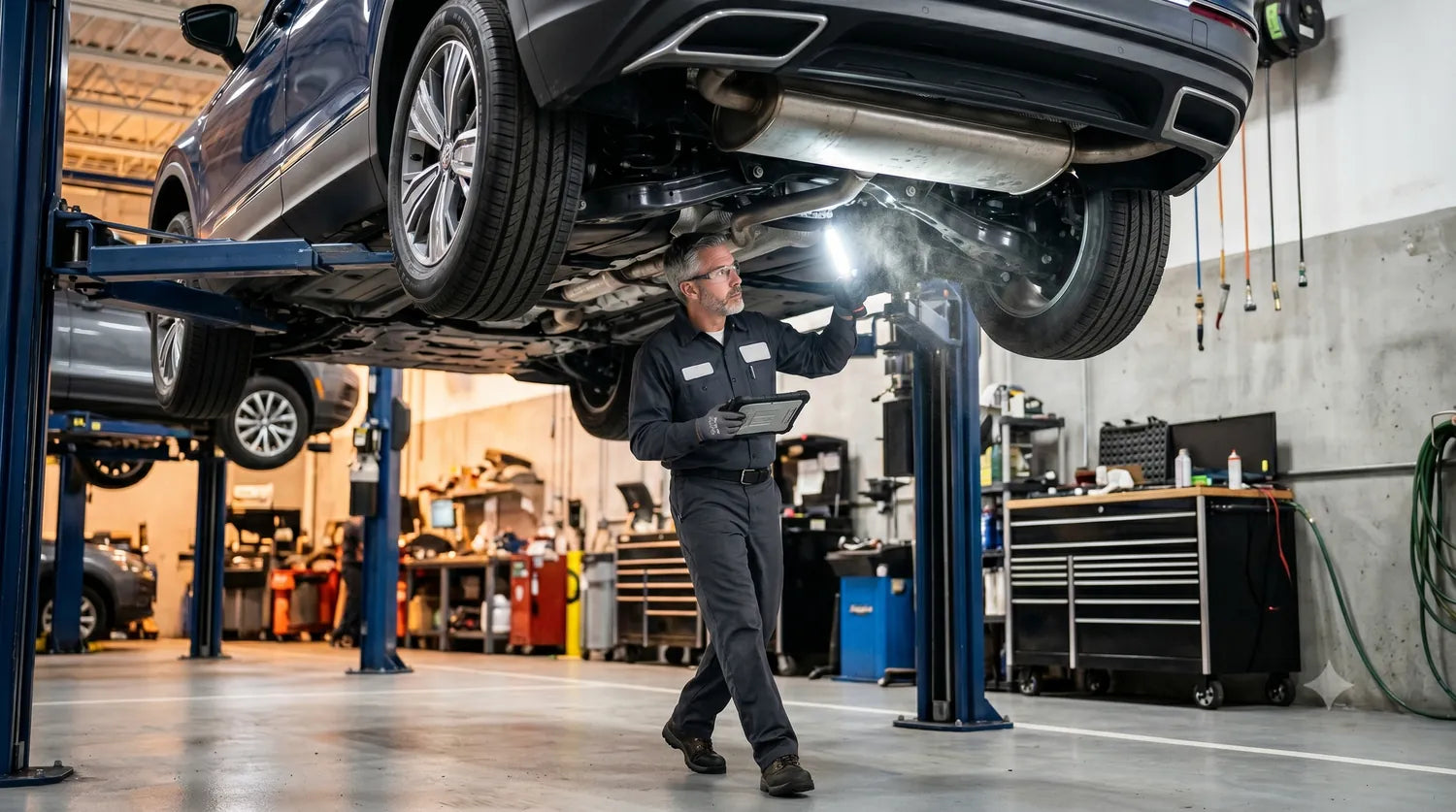
Most European manufacturers recommend a brake fluid flush every 2 years regardless of mileage, because brake fluid absorbs moisture over time rather than just through use. A car sitting in Ocala's humidity absorbs moisture into the brake circuit as reliably as one driven daily. Visible signs that service is due include a soft or spongy pedal, a longer-than-expected stop under hard braking, or fluid in the reservoir that looks dark or cloudy rather than the clear amber color of fresh fluid. If you can't recall the last time it was done, that's reason enough to schedule it.
Our Brake Fluid Flush Service Process
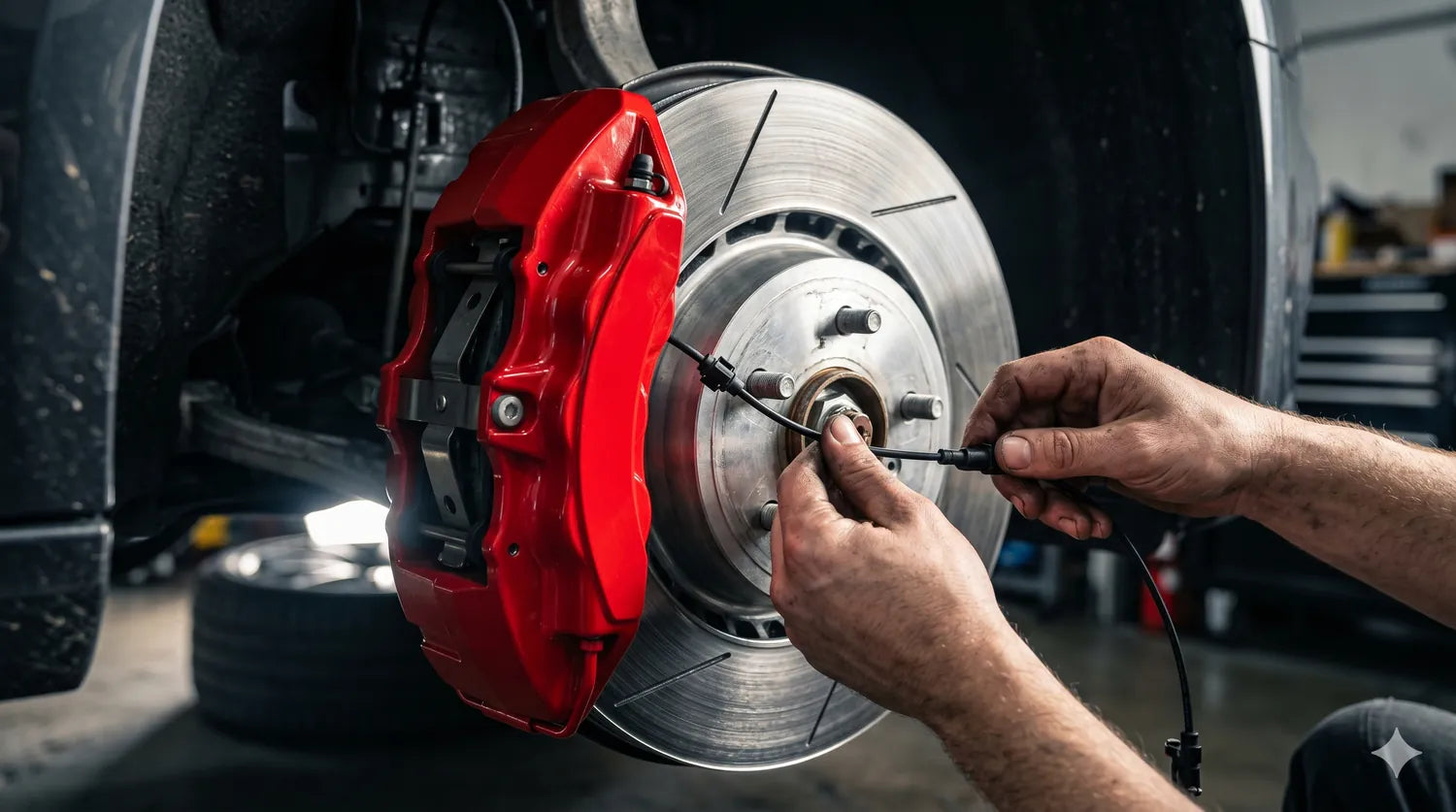
We start by checking the fluid's current condition — color, clarity, and visible contamination. We then flush the entire hydraulic circuit, not just the reservoir. Old fluid is bled from the wheel farthest from the master cylinder first, then worked through each corner in sequence until clean fluid flows consistently. European vehicles use DOT 4 fluid as standard, which carries a higher dry and wet boiling point than DOT 3 and better resistance to brake fade under sustained heat. We refill with the correct specification, bleed any air from the system, and verify pedal firmness before the car leaves.
Brake Fluid Flush Service Cost in Ocala
A brake fluid flush is one of the more affordable brake services and one of the most skipped. Cost is straightforward and we provide a free estimate before starting. Done on schedule, it protects internal brake components from the corrosion that degraded fluid accelerates over time.
Why Choose Us
We service VW, Audi, and Porsche vehicles and know the correct fluid specification for each platform. We flush the full hydraulic circuit rather than topping off the reservoir. With over 10 years of European vehicle experience, we treat brake fluid as a real maintenance item, not an afterthought to the pad job. Estimates are always free and we give you an honest read on whether your fluid needs a flush or just monitoring.
Frequently Asked Questions
How often should brake fluid be flushed on a European car?
Most European manufacturers recommend a flush every 2 years regardless of mileage, because brake fluid absorbs moisture over time through seals, lines, and the reservoir — not just through use. Brake fluid is federally regulated under FMVSS 116 precisely because degraded or contaminated fluid causes brake system failures. Staying on a 2-year schedule on a VW, Audi, or Porsche keeps the system performing as it was designed to.
What happens if brake fluid isn't replaced on schedule?
As moisture content increases, the fluid's boiling point drops. Under normal daily driving this often goes unnoticed. Under sustained hard braking — emergency stops, long downhill sections — heated fluid can partially vaporize in the lines. That vapor is compressible, which produces a soft, inconsistent pedal exactly when you need firm, predictable braking. Moisture in the fluid also accelerates corrosion in the metal brake lines and caliper components over time.
What is the difference between DOT 3 and DOT 4 brake fluid?
DOT 4 has a higher dry and wet boiling point than DOT 3 and includes borate esters that improve performance under higher braking temperatures. Most European vehicles use DOT 4 as the factory specification. DOT 4 is compatible with DOT 3 systems, but the reverse isn't true — never use DOT 3 in a system designed for DOT 4, as it reduces the margin before brake fade occurs under heat.
Is a brake fluid flush the same as a brake bleed?
A brake bleed removes air from the hydraulic circuit, usually done after a brake repair to restore pedal firmness. A flush does that and also replaces all the degraded fluid throughout the system. Bleeding alone doesn't remove the moisture-laden fluid sitting in the lines. A proper flush works through each corner in sequence to push clean fluid all the way through, from the master cylinder out to every caliper.
Can I just add brake fluid to the reservoir instead of flushing it?
Topping off adds fresh fluid at the reservoir but leaves the old, moisture-absorbed fluid in the lines where it matters most. The fluid sitting in the brake lines is what needs replacing, not just the small amount visible at the top of the reservoir. A flush is the only way to get clean fluid through the entire circuit and restore the protection the braking system was designed to have.
See all our Brake Shop services
Fresh brake fluid is one of the least expensive things you can do for your braking system and one of the most overlooked. Call (352) 817-8207 to schedule a flush before it becomes a bigger conversation.